
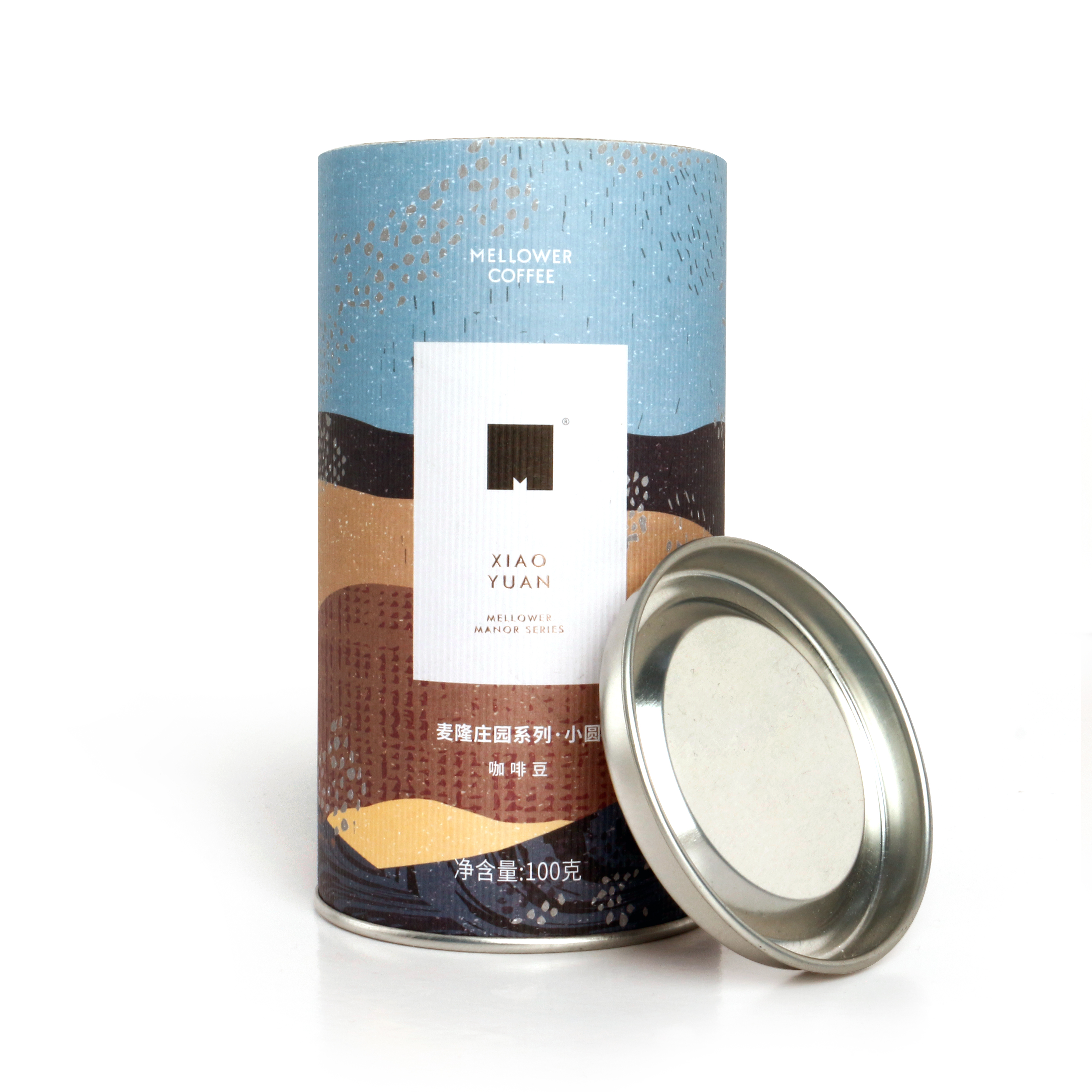
Most buyers ask for “a liner” without saying what it has to stop. Then a supplier quotes PE, another quotes foil, the prices differ, and the decision gets made on unit cost rather than on what the product actually needs protected from. That is how brands end up paying for a barrier they did not need — or shipping a product that goes stale in a barrier that was never going to hold.
The useful way to decide is to name the threat first. Once you know whether you are fighting liquid water, water vapour, oxygen, light or fat, the liner choice usually makes itself.
The Short Answer
PE is a grease and liquid-water barrier that can be heat-sealed. It is the practical choice when the risk is oil staining the board, moisture from a damp product, or a powder escaping through seams — and when you want a lower-cost, single-polymer layer.
Aluminium foil is the choice when the risk is time: aroma escaping, oxygen getting in, or a product whose flavour and texture have to survive a long shelf life and a long sea leg. Foil blocks light too, which PE does not.
And the sentence that matters more than either of those: a liner is not a seal until the tube is sealed. A foil-lined tube with a loose paper lid is a foil bag with an open mouth. Our own guidance is that filled tubes are generally sealed to make them air-tight — with metal discs, which requires specialised equipment, or with shrink wrapping. If you cannot seal the ends, the liner you chose is doing much less than you think.
Four Things a Liner Can Be Asked to Block
Liners are sold as a single option but they are really being asked to do up to four different jobs. Most specification mistakes come from conflating them.
| Threat | What it does to the product | Mainly handled by |
| Liquid water and grease | Oil marks through the board, staining, softening | PE |
| Water vapour | Caking, clumping, loss of crispness, mould risk | Foil; PE helps only partly |
| Oxygen | Rancidity, oxidation, colour and aroma loss | Foil, when pinhole-free |
| Light and odour transfer | Fading, off-notes, scent migrating into board | Foil; opaque board helps |
Read that table as a hierarchy rather than a menu. Grease resistance is easy. Moisture-vapour resistance is harder. Oxygen and aroma protection over months is the hardest, and it is the one buyers most often assume they are getting when they ask for “a lining”.
What PE Does Well, and Where It Stops
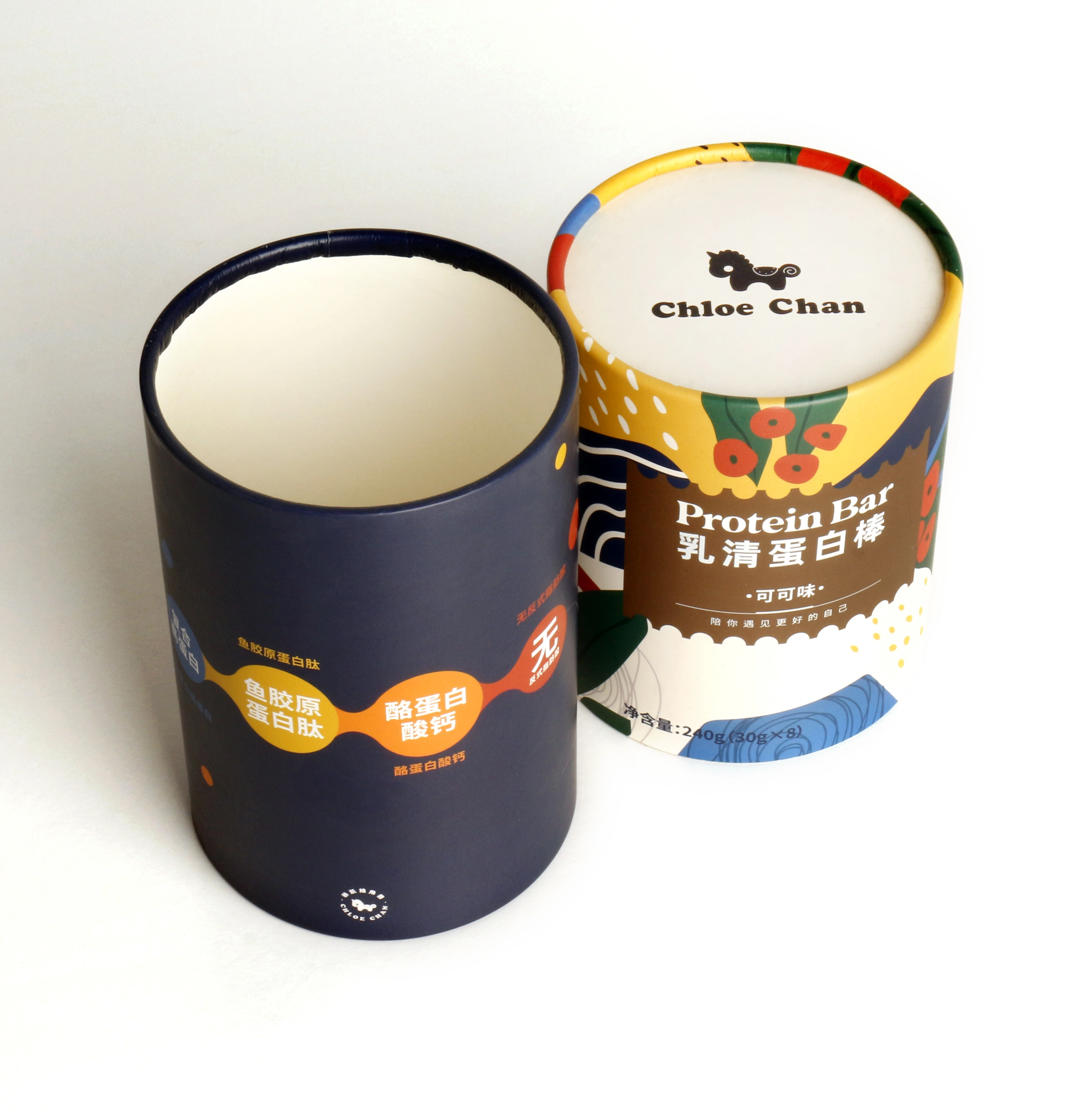
PE earns its place for three reasons. It is a genuinely good oil and grease barrier, which matters for anything with cocoa butter, essential oils or a fatty food. It is heat-sealable to itself, so a PE-lined tube can be closed by welding the liner — the most reliable closure a paper tube can have. And it is the cheaper of the two options in most constructions.
Where PE stops is at vapour and oxygen. Polyethylene is a relatively permeable polymer; it slows moisture and oxygen down without stopping them. For a product sold in weeks and consumed in weeks, that is usually enough. For a coffee or a supplement meant to sit in a warehouse, cross an ocean and then sit on a shelf, it usually is not — and the failure shows up as “it tastes flat” rather than as a visible defect, which is why it is easy to miss until you have complaints.
One practical detail: a PE liner occupies space. If the liner is specified after the tube dimensions are fixed, the usable inner diameter shrinks and a snug product suddenly does not fit. Fix the fill volume first, then let the supplier size the tube around the liner.
What Aluminium Foil Does Well, and Where It Stops
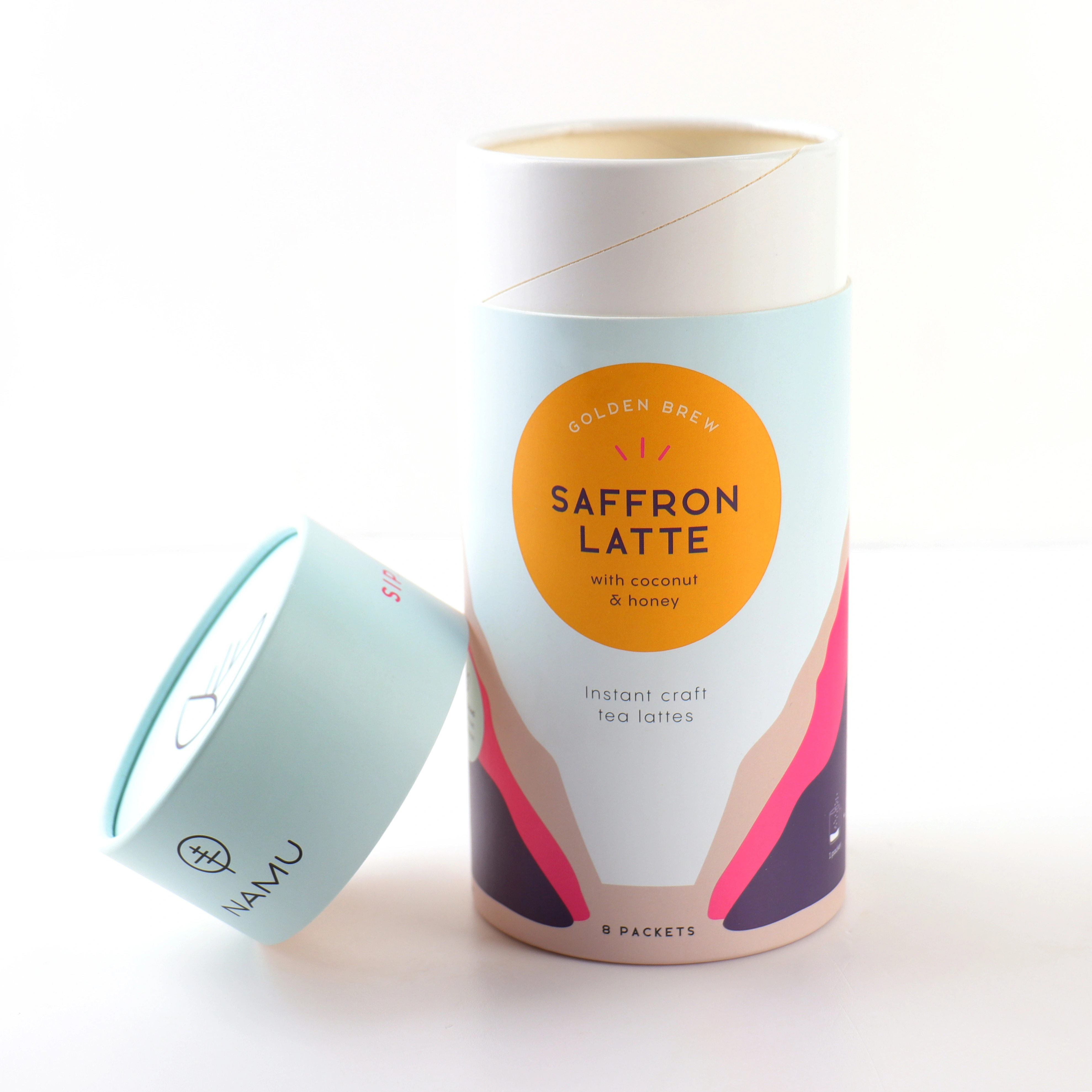
Foil is the closest thing to a total barrier that still fits inside a paper tube. Aluminium is effectively opaque to water vapour, oxygen, light and most odours, which is exactly the combination that preserves aroma in coffee and tea and protects oils from going rancid. It is why aroma-sensitive categories tend to default to foil, and why our coffee and tea tubes are offered with aluminium foil liners or inner bags to preserve aroma, alongside an optional foil film and tinplate lid for moisture and air resistance.
The catch is that foil is only a barrier while it is continuous. It is a thin metal layer, and it creases, folds and flexes — at the rolled rim, at the bottom curl, and anywhere the liner bridges a step in the board. Every crease is a potential pinhole, and one pinhole undoes the argument for paying for foil. This is why foil is normally laminated to a polymer layer: the foil does the blocking, the polymer does the heat-sealing and protects the metal from cracking.
So the honest comparison is not “foil is better”. It is: foil is better if the construction protects the foil and if the tube is sealed at both ends. A foiled tube with a paper lid that lifts off is a barrier with two holes in it, and you have paid a premium for the metal.
A Liner Is Only One of Three Seals
Think of the pack as a chain with three links: the liner, the closure, and the tube body itself. Performance is set by the weakest link, not the strongest.
The closure is the link buyers underestimate. A friction-fit lid is a dust cover, not a barrier — it holds the lid on, it does not hold the atmosphere in. If your product needs a barrier, the closure has to be part of the barrier solution: a foil diaphragm, a metal disc, or a shrink band over the lid. Our closure guide sets out how each type behaves under that kind of requirement.
The body is the second underestimated link. Paperboard is hygroscopic: it takes on and gives off moisture with the surrounding air. A lined tube protects the product from the board, but the board still moves, and that movement is what makes lids tighten and loosen between seasons. Barrier layers inside a tube do not stop the wall from absorbing moisture from outside.
Matching the Liner to the Product
This is where the decision actually gets made. The table below is how we usually frame it in a first conversation, before any dimensions are discussed.
| Product type | First threat | Usual choice |
| Coffee beans or ground coffee | Aroma loss, oxidation | Foil liner plus sealed closure |
| Loose leaf tea | Aroma, moisture, light | Foil, or inner bag inside plain tube |
| Protein powder, supplements | Moisture, caking, powder ingress | PE, or sealed bag as primary pack |
| Balms, salves, oils | Grease wicking into board | PE or oil-resistant liner |
| Bath bombs, bath salts | Ambient humidity, fragrance | PE with shrink seal, or foil |
| Candy, chocolate | Grease, bloom, humidity | PE plus an inner flow-wrap |
Notice how often the answer is “a sealed bag inside” rather than a heavier liner. That is not a dodge. For food, our own recommendation is to put the product in a sealed bag and treat the tube as secondary outer packaging — the bag does the barrier job more predictably and at lower cost, and the tube does the structural and shelf-presence job. Foil and PE lining remain available where you need an oil-resistant, food-safe inner surface, but the bag-first route is frequently the better engineering answer.
Where the category already has a strong reference point, it is worth reading the detail: our guides to coffee packaging and tea packaging both treat aroma as the governing constraint, and the coffee and tea tube page lists the liner and closure combinations we build most often.
Food Contact: The Questions to Ask Before You Choose
Liner choice is a food-safety decision as much as a barrier decision, and the answers are not interchangeable between materials. Three questions settle most of it.
Is the product dry, or does it need shelf life?
Paper tubes are suitable for dry goods that do not require shelf-life protection. Once a product needs a defined shelf life — because of fat, moisture or oxygen sensitivity — the liner and the seal become the primary system rather than a feature.
Is the product touching the tube, or sitting inside a bag?
Direct contact requires food-grade paper as a baseline. If the product is bagged, the tube is secondary packaging and the liner's job shifts to protecting the tube from the product, not the product from the tube.
How will the filled tube be closed?
Metal discs and shrink wrapping are the two routes that make a lined tube air-tight, and the first one needs specialised filling equipment. Decide this before you approve a sample, because it changes both the line and the tube.
Ask for the document set at the same time as the sample: material declarations for the liner, the food-contact statement, and the recyclability position for the exact construction. Our certifications page lists the certificates we hold, but note the important qualifier — those apply to a defined construction. Add a PE or foil layer and the recyclability claim has to be re-checked for that build, not carried over from the unlined tube.
What a Liner Costs You Beyond the Liner
The per-unit liner price is the smallest part of the decision. The larger costs show up in three places.
Line speed. Inserting and seating a liner is a manual or semi-automatic step. It adds labour per unit and it adds a failure mode — a liner that is not fully seated at the bottom will crease when the product is dropped in, and that crease is where the barrier fails.
Tooling and minimums. A lined construction usually needs a different internal diameter and often a different bottom to hold the liner. That can shift you into a different tooling setup and a different minimum order quantity, especially on a first run.
End-of-life. A PE or foil layer turns a single-material paper tube into a multi-material pack. That does not make it unrecyclable, but it does mean the disposal route is different, and the on-pack claim has to match. If the sustainability story is central to the brand, this is worth resolving before artwork rather than after.
Where these costs are hard to separate from the tube itself, our pricing guide explains how process steps flow into a quote, so you can see which part of the number is the liner and which is the tube.
A Decision Checklist
If you are choosing a liner this week, these six questions will get you to the right answer faster than comparing material datasheets.
1. Name the failure you are preventing: grease, moisture, oxygen, light, or aroma.
2. State the shelf life you need, not the shelf life you hope for.
3. Confirm whether the product touches the tube or sits in a bag.
4. Decide how the filled tube is sealed, and whether you have the equipment.
5. Fix the fill volume first so the liner is inside the dimensions, not added later.
6. Ask for the recyclability and food-contact position for the exact build you are buying.
What We Usually Recommend
For most brands the decision lands in one of three places, and it is worth being direct about which one you are in.
If the product is dry and moves quickly — confectionery, balms, accessories, candles — an unlined or PE-lined tube is usually enough, and a foil layer is money spent on a threat you do not have. Use the blank tube or a single-piece tube and put the effort into the print instead.
If the product is aroma- or oxygen-sensitive — coffee, tea, supplements with active ingredients — specify foil and a sealed closure together, or accept a sealed bag inside a standard tube. Choosing foil but keeping a friction lid is the most common expensive mistake in this category.
If the product is greasy or wet — oils, salves, bath products — start with PE for the oil resistance and solve humidity with the closure and the shipper, not with more metal.
One thing we will not tell you is that a liner makes a paper tube equivalent to a plastic jar. It does not. The honest version is that a lined, sealed paper tube is a good pack for a defined shelf life and a defined route to market — and if your product needs a year of barrier protection in a humid climate, the tube should be the outer pack, with a sealed primary inside it.
Not sure which liner your product needs?
Send us the product, the shelf life you are targeting and how the tube will be closed. We will tell you what we would specify — and what we would leave out.
Frequently Asked Questions
Which is better for coffee, PE or foil?
Foil, if the tube is also sealed. Coffee loses aroma to oxygen and its oils go rancid, and PE slows that down without stopping it.
Is a PE-lined tube air-tight?
No. It is oil-resistant and heat-sealable, but PE transmits moisture vapour and oxygen over time. Air-tightness comes from sealing the liner closed.
Can I use a foil liner with a paper lid?
You can, but you lose most of the benefit. A friction lid does not seal, so the foil is protecting an open volume.
Does a liner change the tube dimensions?
Yes. The liner occupies internal space, so the inner diameter has to be sized around it. Specify fill volume before dimensions.
Is a lined tube still recyclable?
The construction changes the answer. Ask for the recyclability position on the specific build rather than the unlined tube.
What if I only need grease protection?
PE is the efficient answer. Foil would be over-specifying, and it adds cost without solving a problem you have.